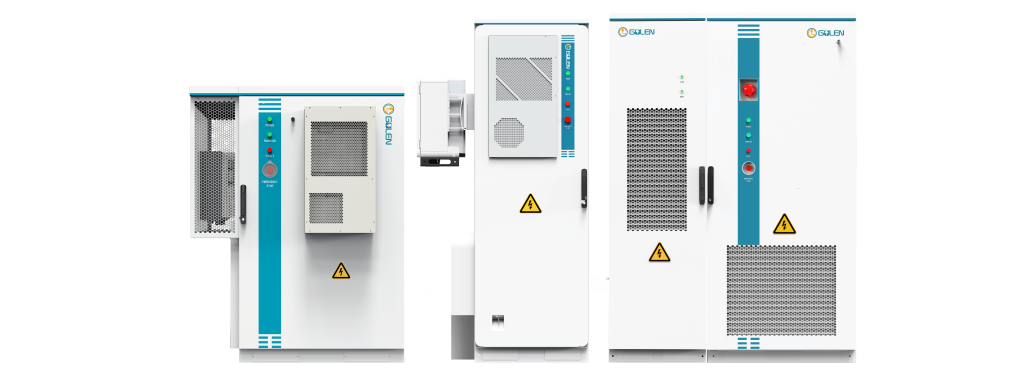
Cost of Battery Energy Storage Systems in Kenya (2026 C&I ESS Pricing Guide)
Battery Energy Storage Systems (BESS) are becoming one of the most valuable investments for businesses in Kenya. With rising electricity costs, demand charges, and frequent grid instability, many companies are now adopting Commercial & Industrial Energy Storage Systems (C&I ESS) to reduce operating expenses and protect operations.
But one question comes up in almost every inquiry:
“How much does a battery energy storage system cost in Kenya?”
This guide explains what drives the cost of C&I ESS in 2026, how pricing is calculated, and how to choose the right system without overspending.
What Determines the Cost of a C&I ESS in Kenya?
Energy storage pricing is not just about battery capacity. A complete commercial ESS is a full engineered power system. The final cost depends on:
1) Battery Capacity (kWh)
This is how much energy the system can store.
- Smaller systems: 30kWh – 100kWh
- Medium systems: 100kWh – 300kWh
- Large systems: 300kWh – 2MWh+
The bigger the kWh, the higher the cost—especially when using high-quality LFP batteries designed for long cycle life.
2) Power Rating (kW) / PCS Size
This determines how much load the battery can support at one time.
For commercial projects, common power sizes include:
- 50kW
- 100kW
- 125kW
- 250kW+
If your load is high (machines, chillers, pumps), you need enough kW to carry it safely.
3) Application (Peak Shaving vs Backup vs Hybrid)
The purpose affects the design:
- Peak shaving needs fast response and accurate power control
- Backup power needs strong off-grid performance
- Solar self-consumption needs smart integration with PV
Some businesses want all three, which requires a stronger system design and monitoring.
4) Battery Quality & Cycle Life
Batteries are not equal. A high-cycle commercial battery can last for years under daily charging/discharging. Higher cycle life improves ROI but may increase upfront cost.
5) Cooling System (Air vs Liquid Cooling)
For C&I ESS, thermal management affects performance and lifespan.
- Air-cooled systems may have lower upfront cost
- Liquid-cooled systems often provide better temperature balance and long-term reliability for heavy daily use
6) Installation, Commissioning & Protection Equipment
A professional C&I ESS project includes:
- AC/DC protection
- proper cabling
- earthing and surge protection
- commissioning tests
- monitoring setup (EMS / Modbus)
- training and handover
These are essential for safety and warranty compliance.
How to Get the Right Price (Without Guessing)
The best way to get accurate pricing is to start with:
- A load assessment
- A power audit
- A target objective (bill reduction, backup time, peak shaving)
When you size correctly, you avoid the two biggest mistakes:
- oversizing (wasting money)
- undersizing (system fails to deliver expected results)
Who Should Invest in C&I Battery Storage in Kenya?
Battery storage delivers the best ROI for:
- factories and manufacturing plants
- hotels and resorts
- office blocks and business parks
- supermarkets and cold rooms
- hospitals and critical facilities
- data centers and telecom sites
Conclusion
A commercial battery storage system is a long-term asset—not just a battery. If designed correctly, it can reduce electricity costs, stabilize power supply, and protect your operations for years.
If you want accurate pricing, the most important step is professional system sizing and site assessment.
Contact Us
Reliable Solar & Energy Storage Solutions for East Africa
Northern Bypass, Nairobi – Marurui
Behind Galana Energies, Village Inn Road
Tel: +254 712 172 222 | +254 784 323 222
Email: info@solarman.co.ke
Website: www.solarman.co.ke